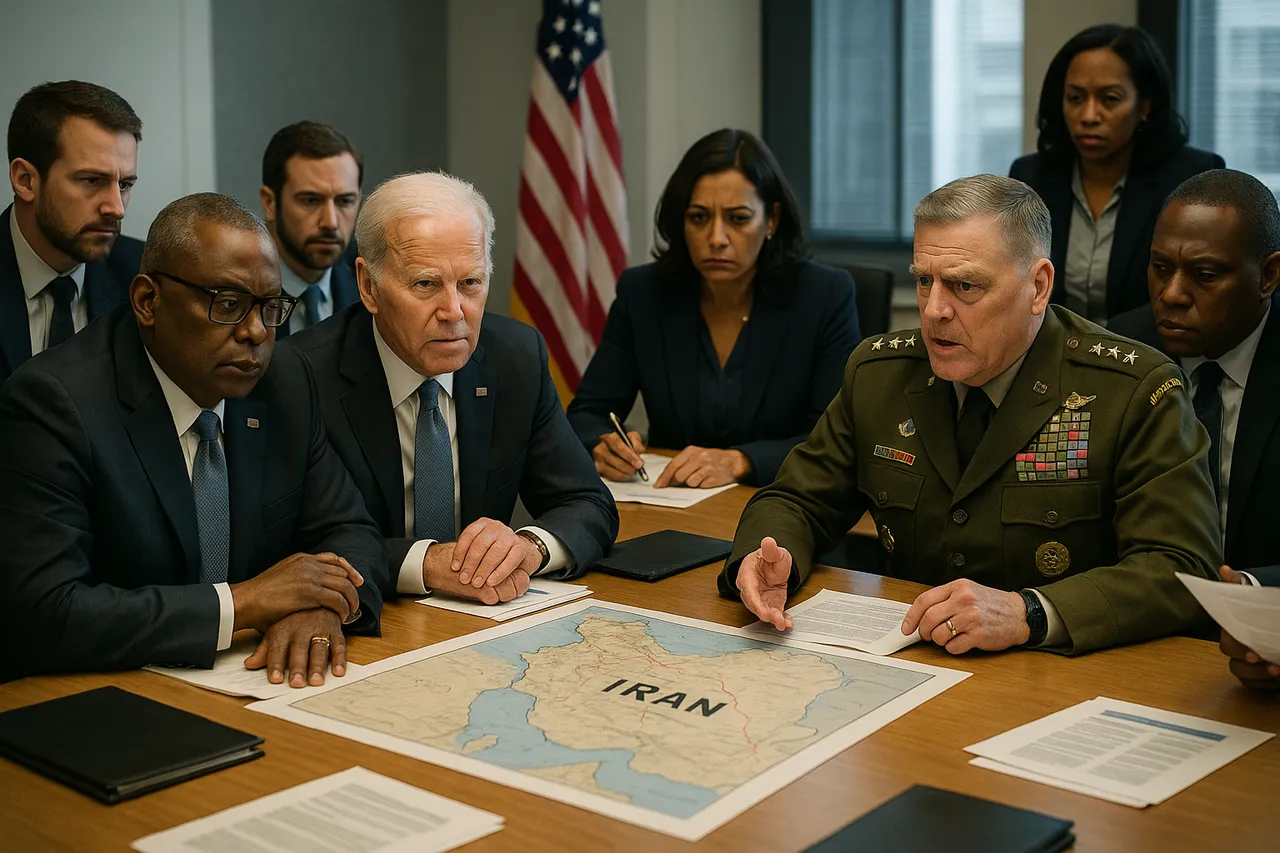
In a significant escalation of hostilities in the Middle East, tensions between the U.S. and Israel have reached new heights, prompting intensified military action against Iran. The response includes missile strikes and drone deployments targeting Iranian assets, as both nations seek to deter what they perceive as a growing threat from Tehran. This development comes amid an increasingly volatile political landscape, with former President Donald Trump assuring Americans that the actions taken are necessary to end Iran's nuclear ambitions.
As military actions unfold, crude oil prices have seen a notable spike, raising concerns about the potential impact on the global economy. Analysts suggest that this increase in oil prices could have far-reaching consequences, affecting everything from gas prices at the pump to the broader economic stability of the United States. Despite these potential ramifications, Trump has downplayed the effects, framing the surge in oil prices as a minor inconvenience compared to the existential threat posed by Iran’s nuclear program.
The rising tensions and military activity come at a critical time, with the midterm elections approaching and the U.S. economy showing signs of strain. Job losses have reportedly increased, contributing to fears of an economic downturn. Critics of Trump question the sustainability of his claims regarding a robust economy, suggesting that the political turmoil and rising costs are undermining the administration's messaging.
The unfolding situation in Iran and the fluctuating oil market are feeding into a broader narrative of uncertainty. As the Trump administration navigates these complex challenges, observers are left to ponder the implications for both national security and the domestic political landscape. With voters likely to weigh these factors heavily in the upcoming midterm elections, the true toll of these international conflicts on American lives and livelihoods remains to be seen.