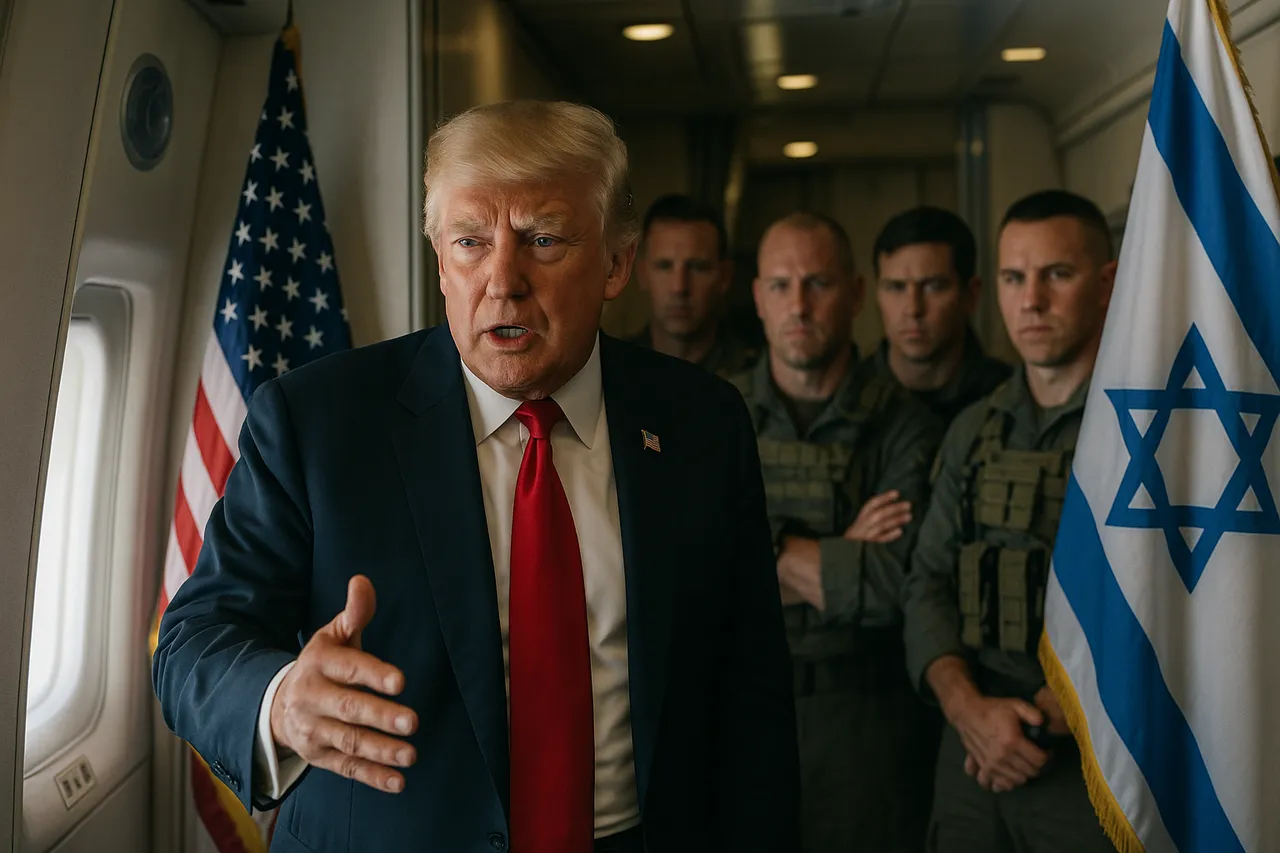
In a significant escalation of rhetoric, President Trump issued a stark warning regarding military action against Iran during a flight aboard Air Force One. His remarks, which included the phrases 'complete destruction and certain death,' reflect growing tensions between the United States and Iran amidst ongoing protests within the country and a backdrop of domestic unrest.
The president's comments come as anti-government demonstrations in Iran grow more intense, fueled by grievances over political repression and economic hardship. At the same time, protests in the United States, reflecting various political divisions, suggest that the American public remains deeply polarized on issues of foreign policy and military intervention.
The administration's strong denunciation of the Iranian regime is coupled with a stark warning of potential consequences should those tensions escalate further. Critics of the president argue that military threats and bluster contribute to an already volatile situation, with some suggesting that such rhetoric could further inflame protests both in Iran and on American soil.
As the political climate intensifies, the ramifications of Trump's statements may lead to increased scrutiny of Congress's role in military decisions. Observers note that the current administration's approach appears to sidestep traditional legislative procedures regarding military action, raising questions about executive overreach.
Political analysts are closely monitoring the situation as protests and counter-protests unfold, indicating a fractured national discourse that has shifted from civility to an entrenched 'us vs. them' mentality. As events continue to develop, the international community and American citizens alike are left to speculate on the implications of a president who appears ready to redefine the nation's policies amid a global crisis.