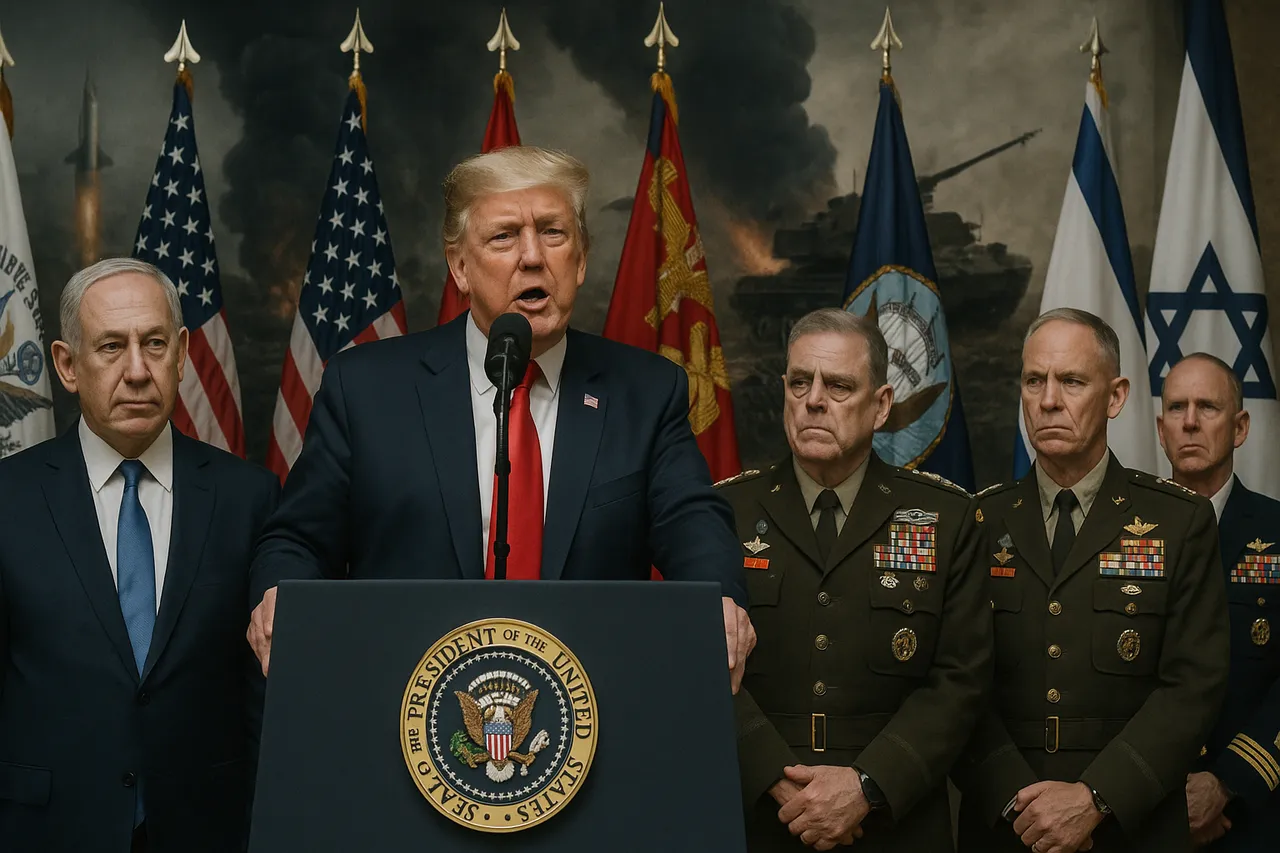
In a dramatic escalation of international relations, President Donald Trump has officially declared war on Iran, insisting on the nation’s "unconditional surrender." This bold announcement comes in the wake of heightened tensions following a lethal drone strike that resulted in the deaths of six American soldiers, a poignant reminder of the human cost associated with military engagements.
Simultaneously, Israel has intensified its military operations in the region, reportedly targeting approximately 3,000 Iranian military sites. These operations have been framed by some observers as a show of strength, reflecting the ongoing rivalry between the two nations and underscoring Israel's strategic interests in the face of perceived threats.
The conflict has not only geopolitical implications but has also triggered a significant economic response, as rising oil prices and gas costs have begun to impact consumers. Local gas stations have reportedly increased prices, causing public frustration as prices climb to unprecedented levels. This economic strain has contributed to a wave of protests in Israel, where citizens have expressed dissatisfaction over the government’s military actions and the broader consequences of the conflict.
As tensions rise and protests grow, the situation remains fluid, with public sentiment in both the United States and Israel reflecting apprehension regarding the ongoing conflict. Observers note that the complexities of war and its fallout often create a scenario where the desire to assign blame becomes prevalent, complicating the national discourse on military engagement.