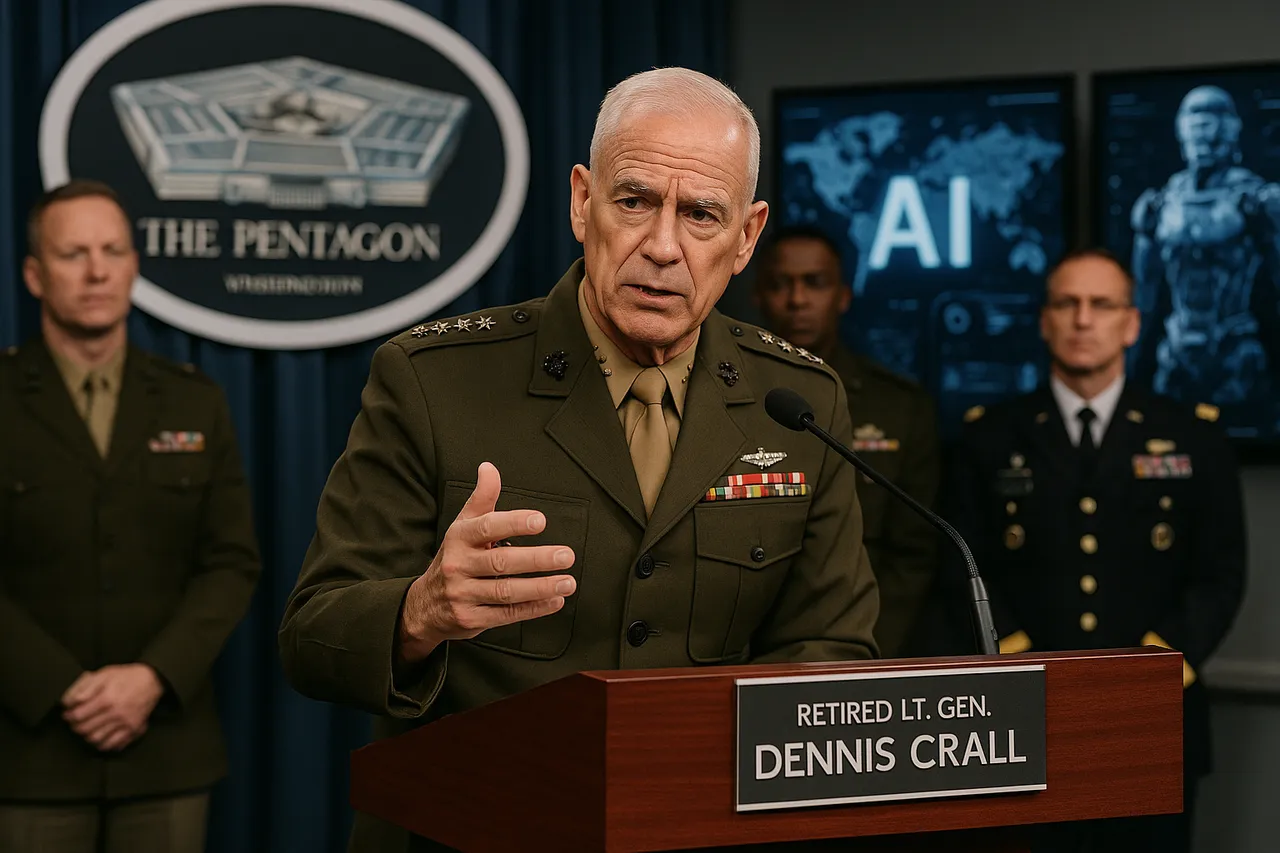
In a provocative development that has stirred debate within military and technological circles, retired Lieutenant General Dennis Crall has disclosed that the Pentagon is now utilizing artificial intelligence (AI) to make real-time military decisions concerning Iran. This revelation has raised eyebrows regarding the implications of allowing AI systems to play a significant role in national defense.
During a recent discussion, Crall emphasized the growing trend of integrating AI into military strategies, highlighting that such systems are capable of processing vast amounts of data at speeds unimaginable for human operators. This capability purportedly allows for quicker and more informed decision-making in critical and potentially volatile situations.
Critics of the approach warn of the risks associated with relying on AI in military contexts, which include ethical considerations and the possibility of unintended consequences. The implications of entrusting AI with significant military authority echo longstanding concerns over automated warfare and the reduced role of human judgment in life-and-death scenarios.
This announcement has prompted speculation about the future of military operations, with questions about whether AI could eventually lead to scenarios akin to human generals being replaced by robots on the battlefield. As the defense community continues to grapple with these advancements, the call for a robust ethical framework governing AI use in military contexts has gained urgency.
As developments unfold, experts and military personnel will likely continue to evaluate the effectiveness and repercussions of such a groundbreaking approach in the realm of defense strategy. Stakeholders are keeping a close watch on how this integration of technology will shape the future of military engagements, particularly concerning operations in the Middle East.