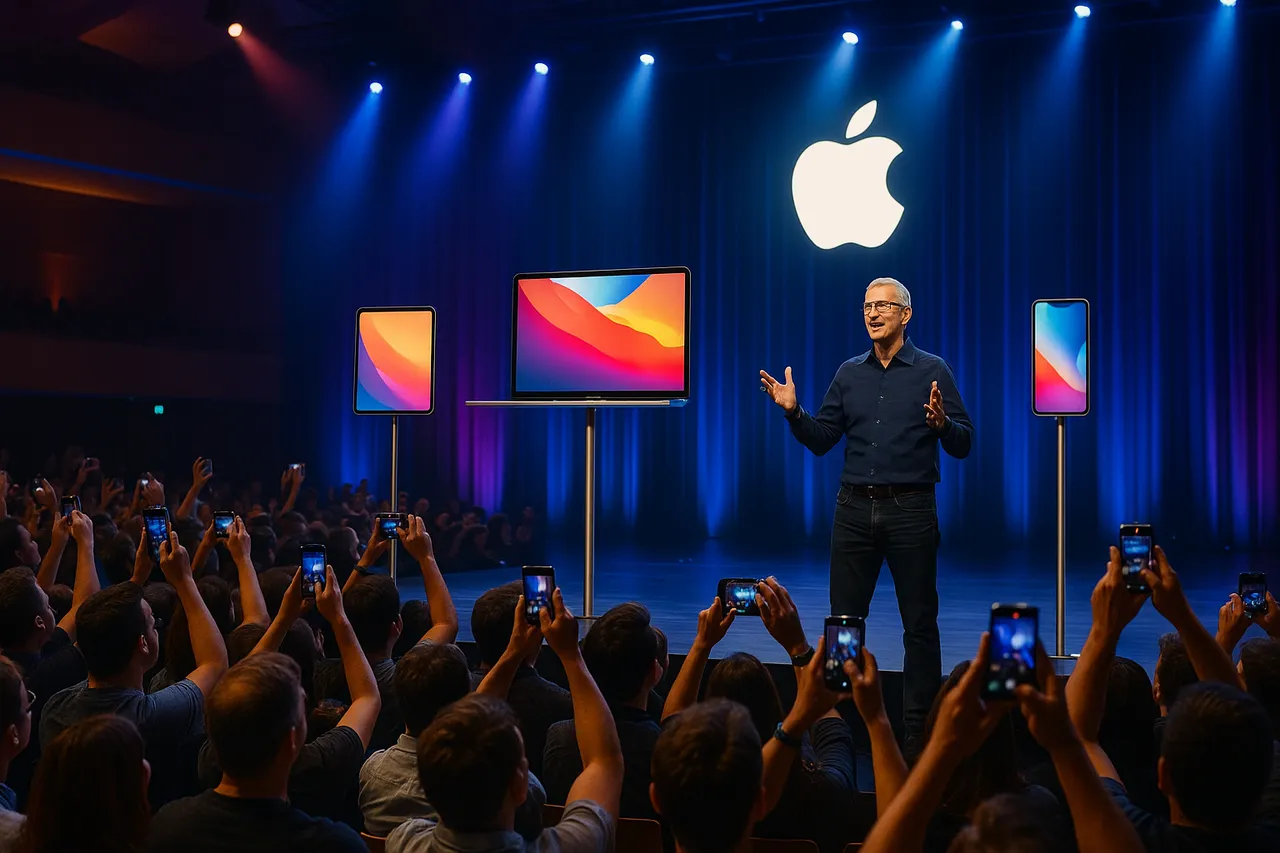
In a highly anticipated event this past week, Apple introduced a series of new products that it claims to be ‘revolutionary’ during a launch in India. The event, which drew attention from tech enthusiasts around the globe, featured devices that many observers noted appear strikingly similar to their predecessors, albeit with some updated features such as a broader color palette and enhanced charging capabilities.
Tech analysts and industry experts had foretold that Apple would unveil updated versions of its existing products, and this prediction proved accurate. The devices presented during the event showcased improvements that some consumers may find appealing, yet many critics struggled to see these upgrades as groundbreaking innovations. Rather, they highlighted a pattern within the technology company’s strategy, suggesting that Apple thrives on refreshing existing technology rather than introducing truly novel concepts.
Despite the underwhelming response from certain segments of the tech community, Apple continues to have a loyal fanbase, eager to embrace even minor updates in their device lineup. The company’s approach has often drawn comparisons to a new coat of paint – promising innovation, but delivering only incremental improvements. As the tech landscape evolves, questions remain about Apple’s ability to maintain its status as a leader in an industry increasingly crowded with emerging competitors.
The event, while generating buzz, also raised discussions about the future of technological innovation. As skepticism mounts over whether true originality is still achievable in a saturated market, consumers and analysts alike are left pondering the direction in which Apple’s strategy will take them next.